How a suit should fit
How a suit should fit, point by point: shoulders, collar, button stance, chest, length, sleeves, trouser rise, seat and break, and what a fitter adjusts.
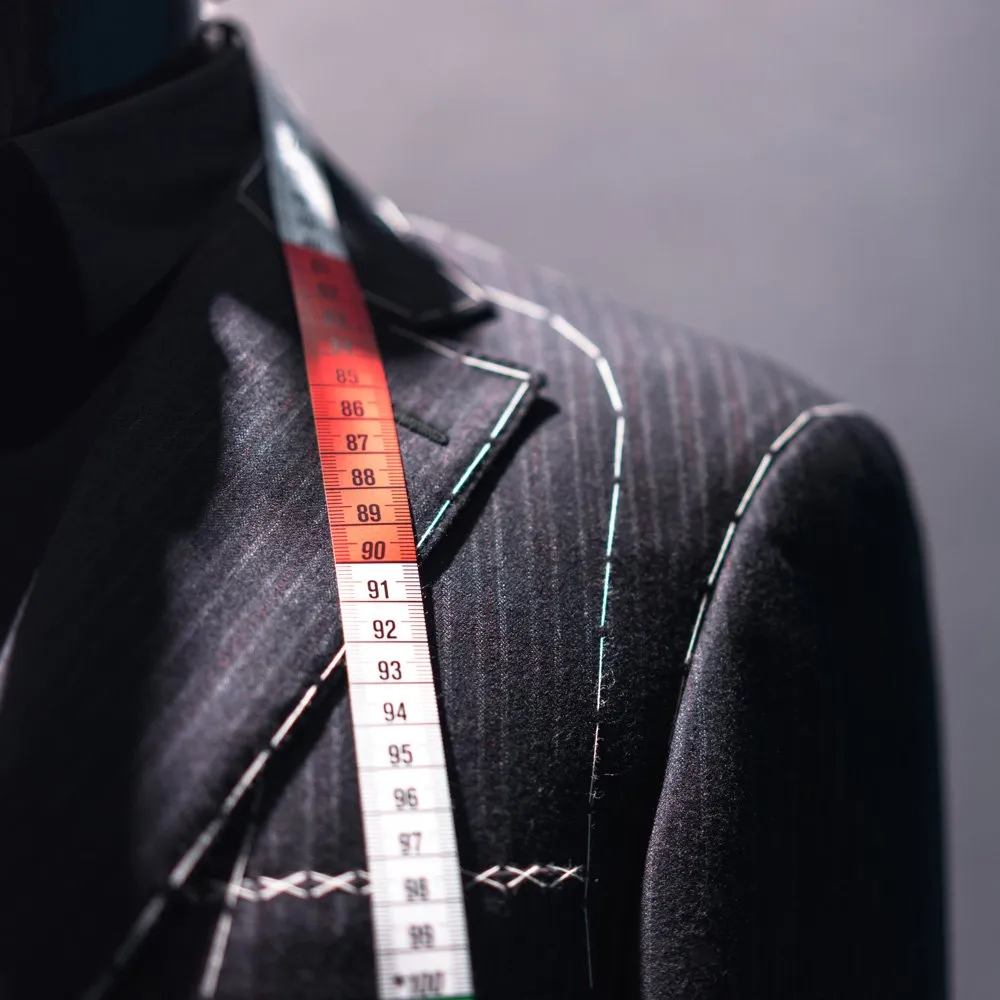
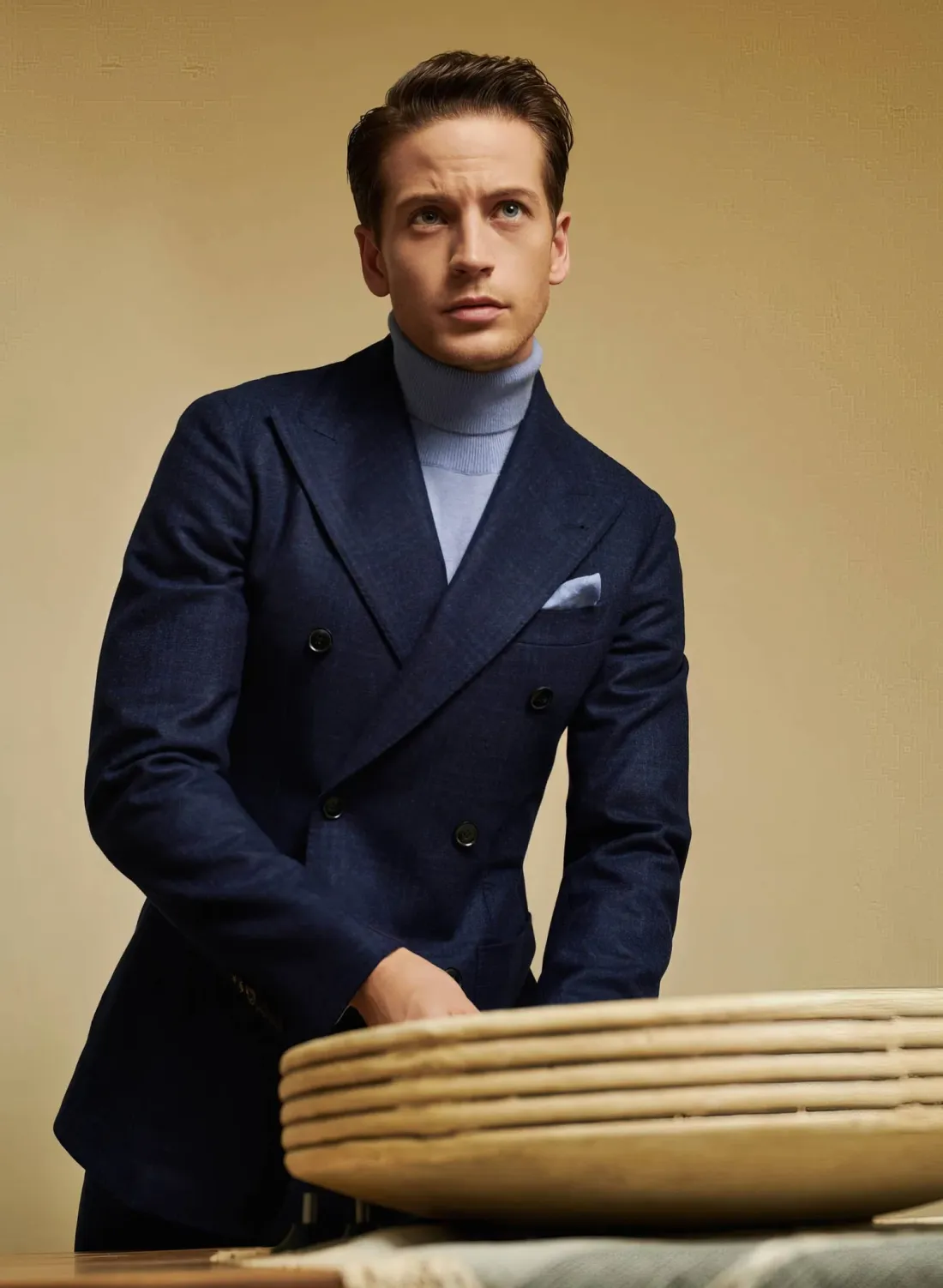
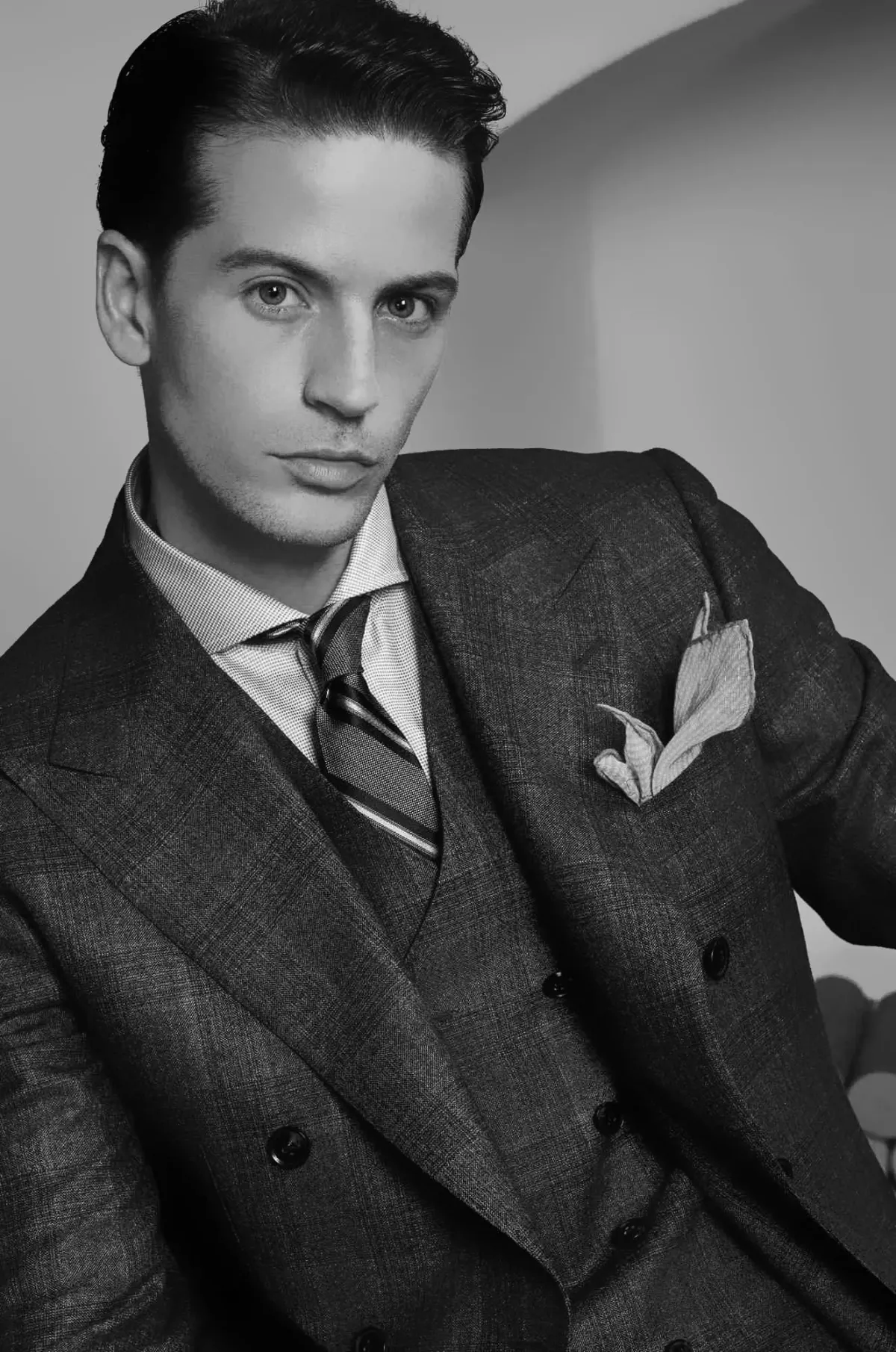
A suit fits when the shoulders end where yours do, the collar rests on your shirt collar, the jacket closes at the waist without pulling, the sleeves show about a centimetre of shirt cuff, and the trousers sit at your waist and fall cleanly to the shoe. Use the checklist below in front of a mirror, standing naturally, in the shirt and shoes you plan to wear.
The jacket
1. Shoulders
Start here, because the shoulders are the hardest part of a jacket to change. The shoulder seam should end where your own shoulder ends. Too wide and you will see a dent below the seam where the sleeve hangs off the edge. Too narrow and the sleeve head pulls, often with ridges across the top of the arm. Stand side on to a wall: if the jacket shoulder touches the wall well before your arm does, it is too wide.
2. Collar
The jacket collar should rest on the shirt collar all the way round, with a little of the shirt collar showing above it at the back. A gap between the two, often called collar gap, means the balance of the jacket is off. A roll of cloth bunching just below the collar points to the same problem.
3. Button stance
Fasten the top button of a two button jacket, or the middle button of three. It should sit at or just above your natural waist, the narrowest part of your torso. When it closes, the fronts should meet flat. An X shaped pull radiating from the button means the jacket is too tight at the waist; a loose fold means it is too large.
4. Chest and waist
The chest should lie smooth, with the lapels flat against you rather than lifting away. You should be able to slide a flat hand inside the closed jacket, but not a fist. From the side, the jacket should follow your shape gently at the waist and release over the hip. Check the back too: horizontal creases mean it is tight across the back; vertical folds mean there is cloth to spare.
5. Jacket length
A classic jacket covers your seat. A good guide: with your arms relaxed at your sides, the hem falls around the middle of your hand, about where your fingers curl. Modern cuts run a little shorter, but a jacket that does not cover the seat tends to look as if it has been outgrown.
6. Sleeve length
Let your arms hang. The jacket sleeve should finish around the wrist bone, showing about a centimetre of shirt cuff. The sleeve should also hang straight without twisting, which depends on how it is set into the shoulder.
The trousers
7. Rise
The rise is the distance from the crotch seam to the top of the waistband. Tailored trousers are usually cut to sit at or near the natural waist, which keeps the line long from jacket to shoe and stops a band of shirt showing below the jacket button. Too short a rise and they slip down; too long and the seat sags.
8. Waist
Trousers should stay where they belong without a belt doing all the work. You should be able to fit two fingers inside the waistband, no more. Side adjusters or braces give a cleaner line than a belt and make small changes in comfort easy.
9. Seat and thigh
The seat should drape smoothly. Horizontal pull lines across the seat, or pockets that flare open, mean the trousers are too tight. Loose folds under the seat mean there is too much cloth. Through the thigh there should be room to sit down and climb stairs without strain.
10. Break
The break is the fold where the trouser hem meets the shoe. A slight break, one soft fold at the front, is the most versatile. No break gives a clean, modern line and suits a slimmer leg. A full break suits a wider leg and a more traditional look. Whichever you choose, the hem should never pool around the ankle.
What a fitter adjusts at a follow up fitting
Even a garment cut from careful measurements benefits from being seen on the body. Cloth settles, posture changes when you relax, and a mirror at home is not a fitter's eye. At a follow up fitting, a fitter will typically check and refine:
- sleeve length, so the shirt cuff shows evenly on both arms;
- trouser length and the break you prefer;
- the jacket waist, taken in or let out at the seams;
- the trouser waist and seat;
- how the collar sits at the back of the neck;
- the button position, if the stance needs to move.
At YB, that fitting is built into our process. Once the garments are ready, in 3 to 8 weeks depending on the make and the cloth, our own in house tailors make any adjustments. We then keep your pattern on file, so reordering is simple.
Why fit starts with measurement
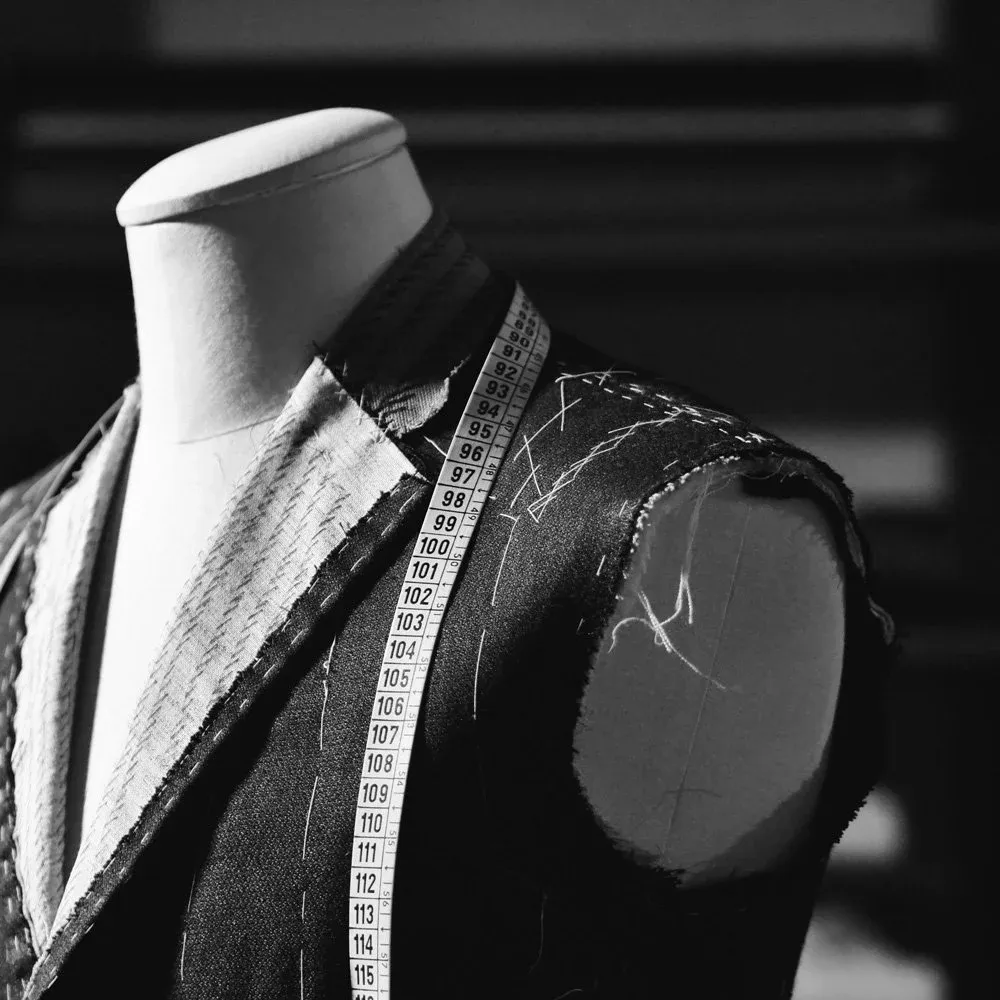
Most fit problems in an off the rack suit come from a size chart meeting a real body. Alterations can fix sleeves, hems and waists, but rarely shoulders or length. A made to measure suit starts the other way round: it is designed for your physique from over 25 measurements taken by a trained fitter, so the hardest parts are right from the first cut.
To see yourself in YB first, try our virtual fitting room. Or book a fitting and bring this checklist with you.
See yourself in YB before you book.
Try On Your Suit